

How to Build a Champagne Bar

There is a moment at every good party when the host disappears. Someone wants a drink, then someone else does, and suddenly you are behind a counter opening bottles instead of standing in the room you spent all week preparing. A champagne bar is how I stopped that from happening. Moreover, it works on exactly the same principle as a spring charcuterie board or an epic veggie tray: set it out beautifully, then step away and enjoy your own party.
The idea is simple. You set out sparkling wine, a few mixers, a row of syrups and a spread of garnishes, and your guests build their own glass. In particular, it solves the problem that a signature cocktail creates — one drink that some people love and others quietly nurse all night. Here everyone gets exactly what they want, and nobody has to ask you for it. Equally important, something to eat keeps everyone upright: a spring tinned fish board holds the table beautifully. If you would rather pour a set list, my Christmas cocktail is the one I make instead.
What is more, it looks like considerably more effort than it is. A bar of bottles, bowls and coupes photographs beautifully and takes about twenty minutes to lay out, most of which is slicing citrus. Set it up before your first guest arrives and it will carry the entire evening — which is why it has been my New Year’s Eve answer for years. In particular, it pairs beautifully with prosciutto and fig crackers and a bowl of whipped ricotta with roasted grapes within arm’s reach of the glasses.
Champagne Bar Ingredients (With Purpose & Flavor Notes)

The Sparkling Wine
This is the whole bar, so buy something you would happily drink on its own. A dry Champagne and a softer Prosecco cover most palates between them, and having two means guests can choose rather than settle. Keep both properly cold — a warm pour ruins everything downstream.
The Spirits
A small pour of gin, vodka or St-Germain elderflower liqueur turns a glass of sparkling wine into a cocktail. Keep the bottles small and the pours smaller; the point is a note of something, not a second drink.
The Juices
Orange, pomegranate and cranberry are the three that never go unused. Pour them into jugs rather than leaving cartons on the table — it is the single cheapest thing you can do to make the bar look considered.
The Syrups
Honey, ginger and rosemary syrups are what separate a champagne bar from a bottle and some juice. They add depth without sweetness, and a small pitcher of each goes a very long way.
The Garnishes
Fresh berries, citrus twists, pomegranate arils, mint and rosemary. Not only do these carry the flavour, but they are also what makes every glass photograph well — which is a real consideration at a party where everyone has a phone.
The Optional Extras
Pop Rocks on the rim, a spoon of sorbet in the glass, cotton candy that dissolves under the pour, or ice cubes with berries frozen inside. Pick one. All four at once is a children’s party.
The Glassware
Coupes for a party, flutes for a toast. Coupes are easier to garnish and considerably easier to photograph; flutes hold their bubbles longer. Set out more glasses than guests — people put one down and lose it.
The Ice
A proper ice bucket for the bottles and a separate one for glasses if the room is warm. Without a doubt, the fastest way to spoil a champagne bar is to let the bottles go tepid an hour in.
Erica’s Tips for the Best Champagne Bar
Buy One More Bottle Than You Think
One bottle pours four glasses, so count the glasses rather than the guests — then add a bottle. The leftover keeps; running out at eleven o’clock does not.
Do Not Put the Good Bottle on the Bar
Keep one bottle of the nicest thing back for the toast and pour it yourself. The bar is for building drinks; the toast is a different moment and deserves a different pour.
Pour Sparkling Wine at an Angle
Tilt the glass and pour down the side. Straight down the middle and half of it foams over the rim, which is both a waste and a mess on a table you have just styled.
Keep the Garnish Bowls Small and Refill Them
Small bowls, filled twice, look abundant all night. One large bowl looks picked over within the hour — the same principle as refreshing a board halfway through.
Put the Syrups in Pitchers, Not Bottles
A guest will pour from an open pitcher and will not open an unfamiliar bottle. On the other hand, a pitcher with no label gets ignored entirely, so do both.
Set It Up Before You Get Dressed
Twenty minutes, done early, and then it is finished. All things considered, the best thing about a champagne bar is that it is one of the few party jobs that genuinely cannot be left until the last minute and does not need to be.
Shop Erica’s Pick
Everything I Love for this recipe
This post contains affiliate links. I only share products I personally use and genuinely love. As an Amazon Associate, I earn from qualifying purchases.

Coupe Glasses
Wide-bowled coupes are easier to garnish than flutes and they photograph far better, which matters at a party where every glass gets a picture.
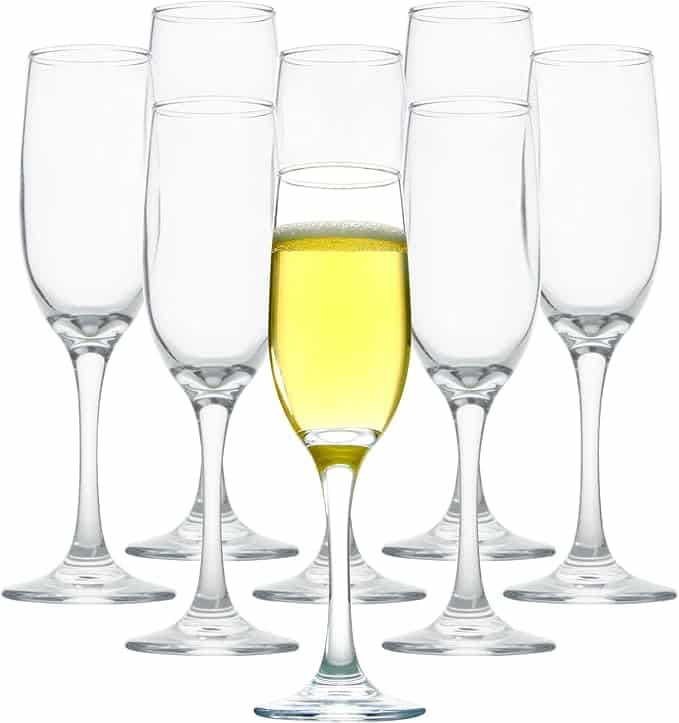
Champagne Flutes
Keep a set back for the toast — flutes hold their bubbles longer than a coupe does.
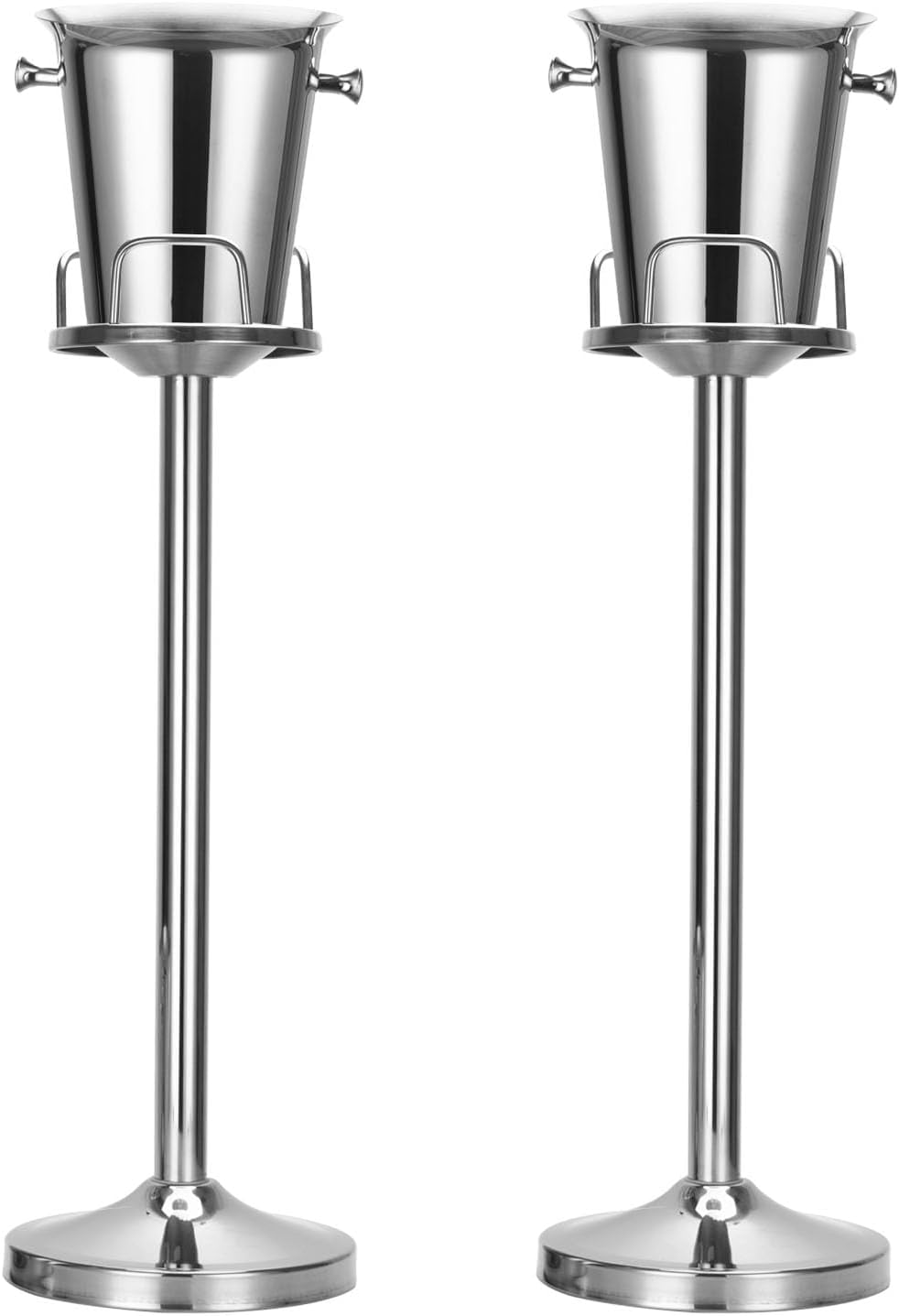
Standing Ice Bucket
A floor-standing bucket keeps two bottles cold and off the table, which is the difference between a bar that stays tidy and one that does not.
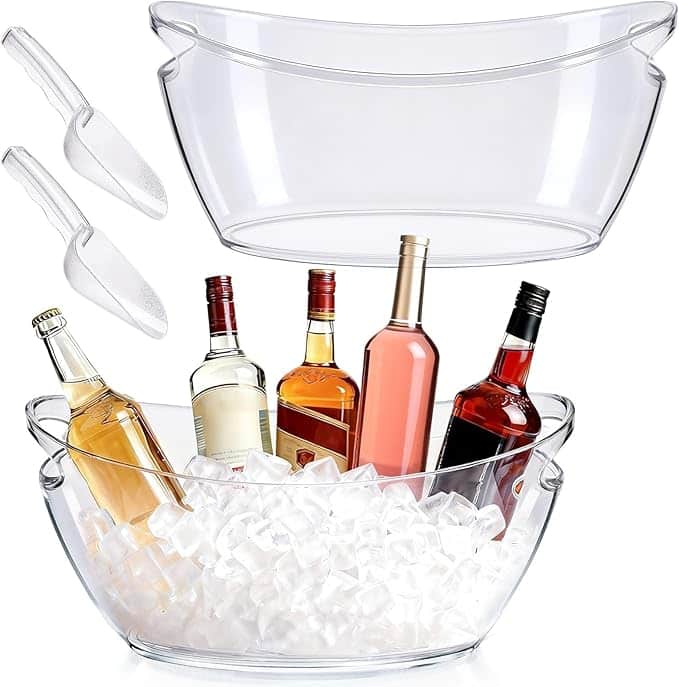
Tabletop Ice Bucket
A smaller bucket on the bar itself for the bottle currently in use.
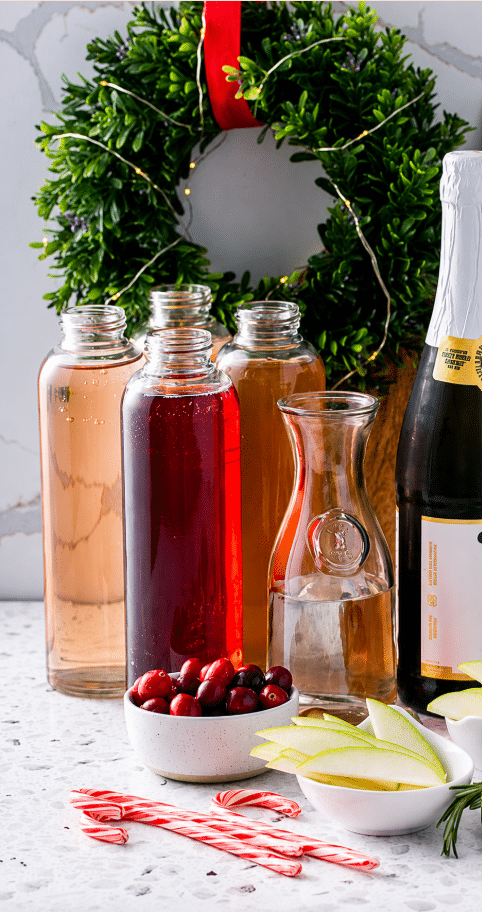
Glass Syrup Pitchers
Small open pitchers are what get the syrups used — a guest will pour from a pitcher and will not open an unfamiliar bottle.
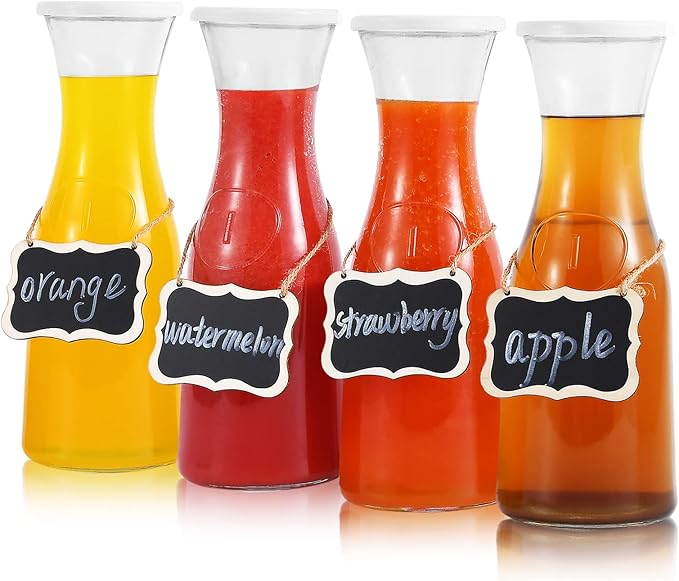
Glass Juice Carafes
Decanting juice out of the carton is the cheapest upgrade on the whole bar.
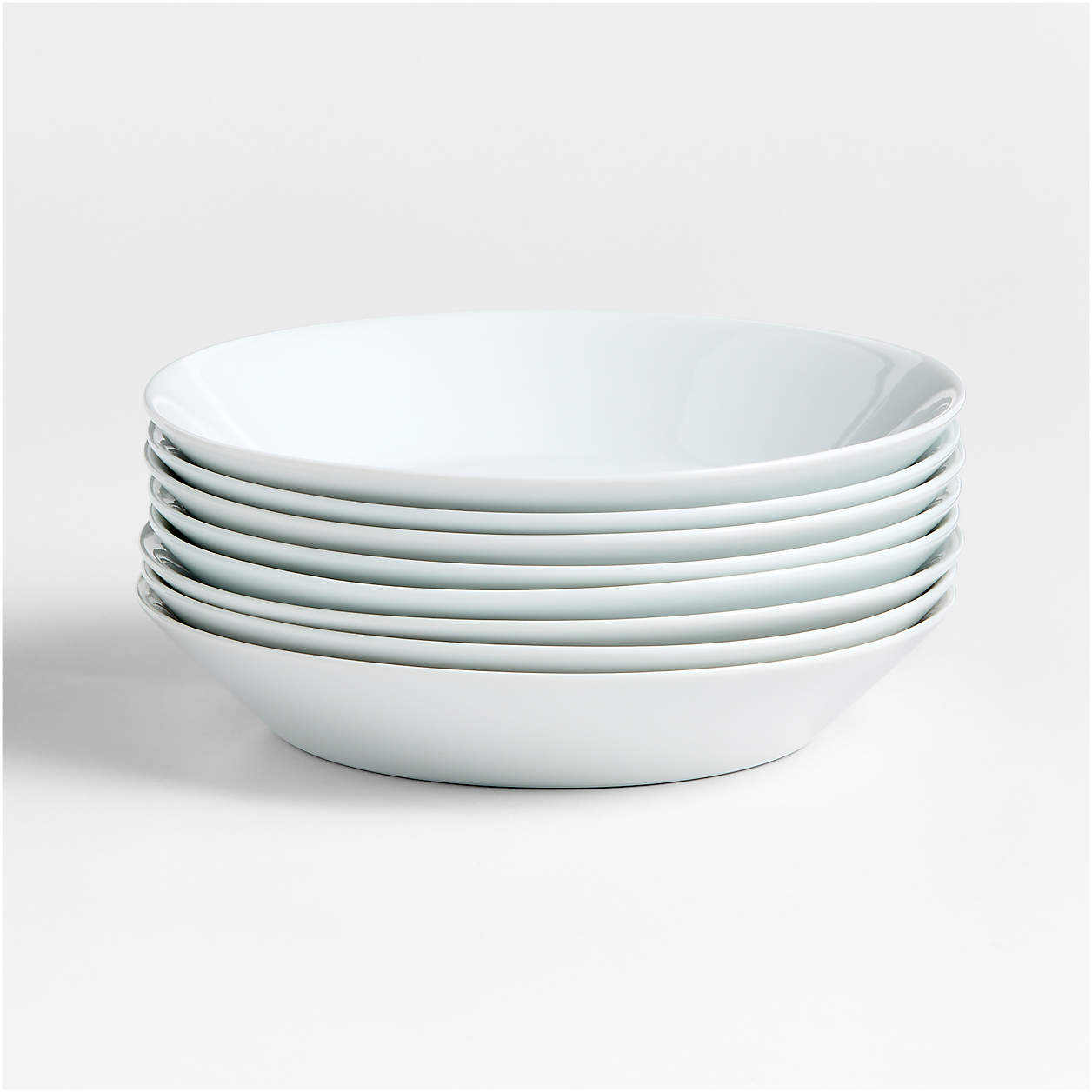
Small Garnish Bowls
A matched set of small bowls, refilled twice, looks abundant all evening.
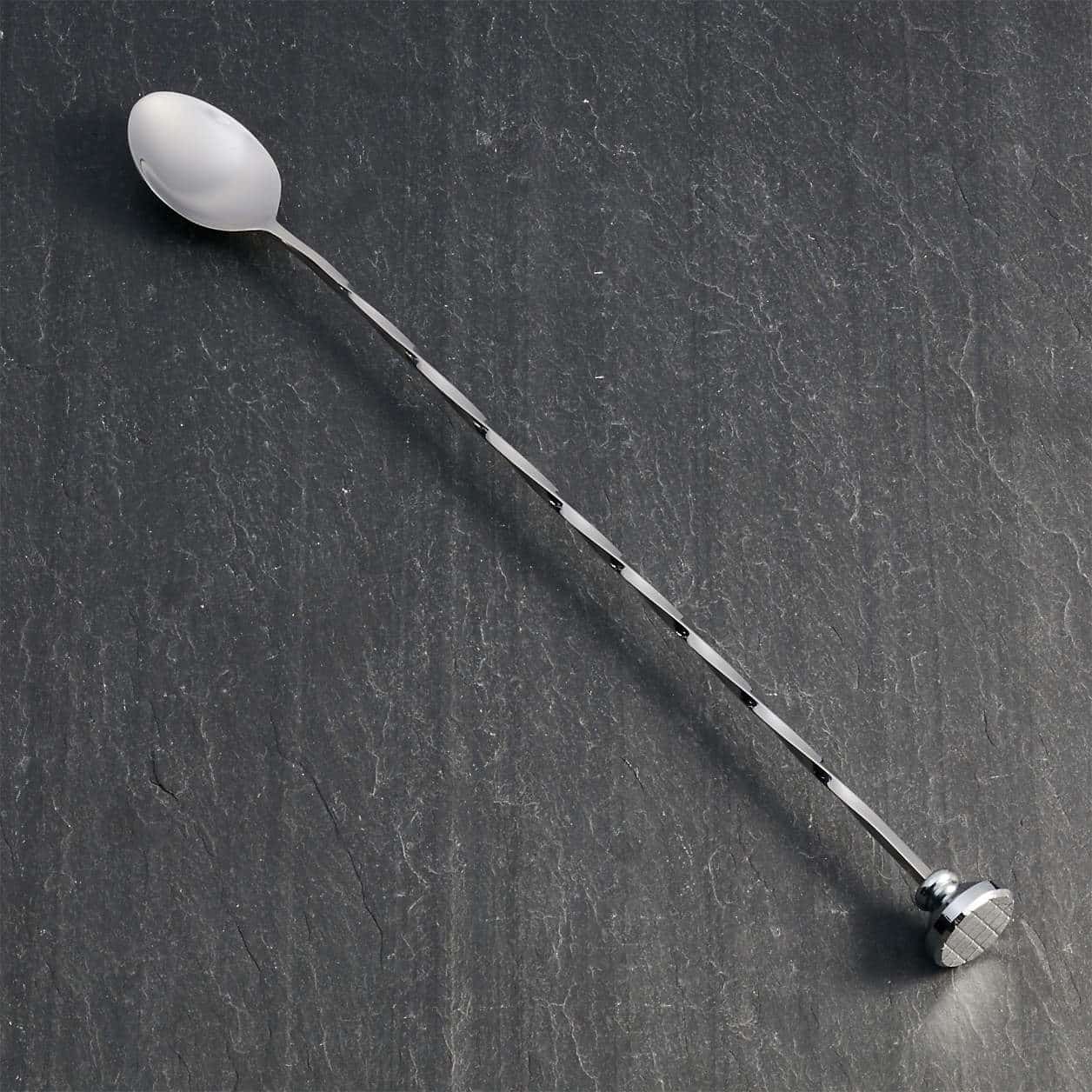
Bar Spoon and Ice Tongs
A long spoon for stirring the syrups into each glass, plus ice tongs for the garnishes so nobody uses their fingers.
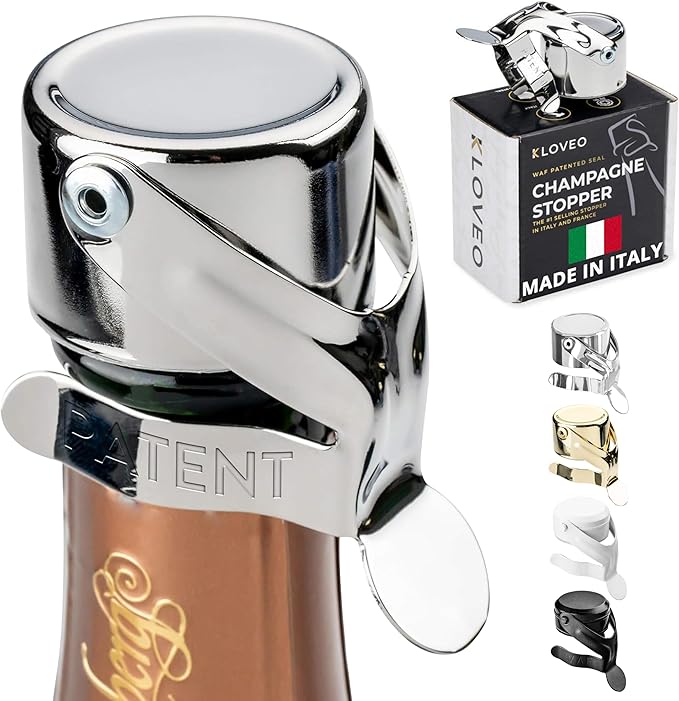
Champagne Stoppers
A proper stopper keeps an open bottle drinkable overnight, which turns leftover champagne into tomorrow’s mimosas.
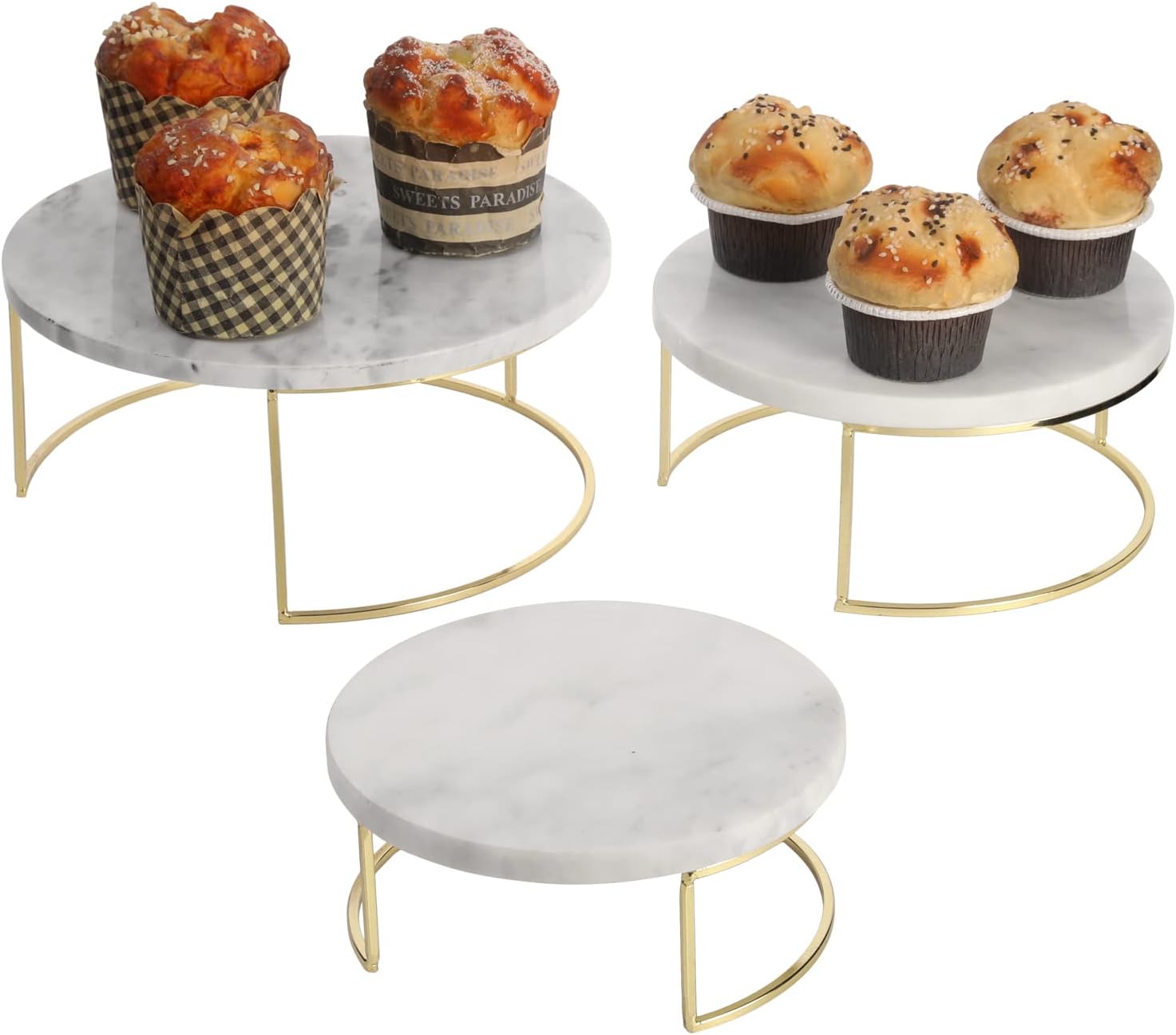
Cake Stand or Riser
Height is what makes a bar read from across the room rather than looking like bottles on a table.
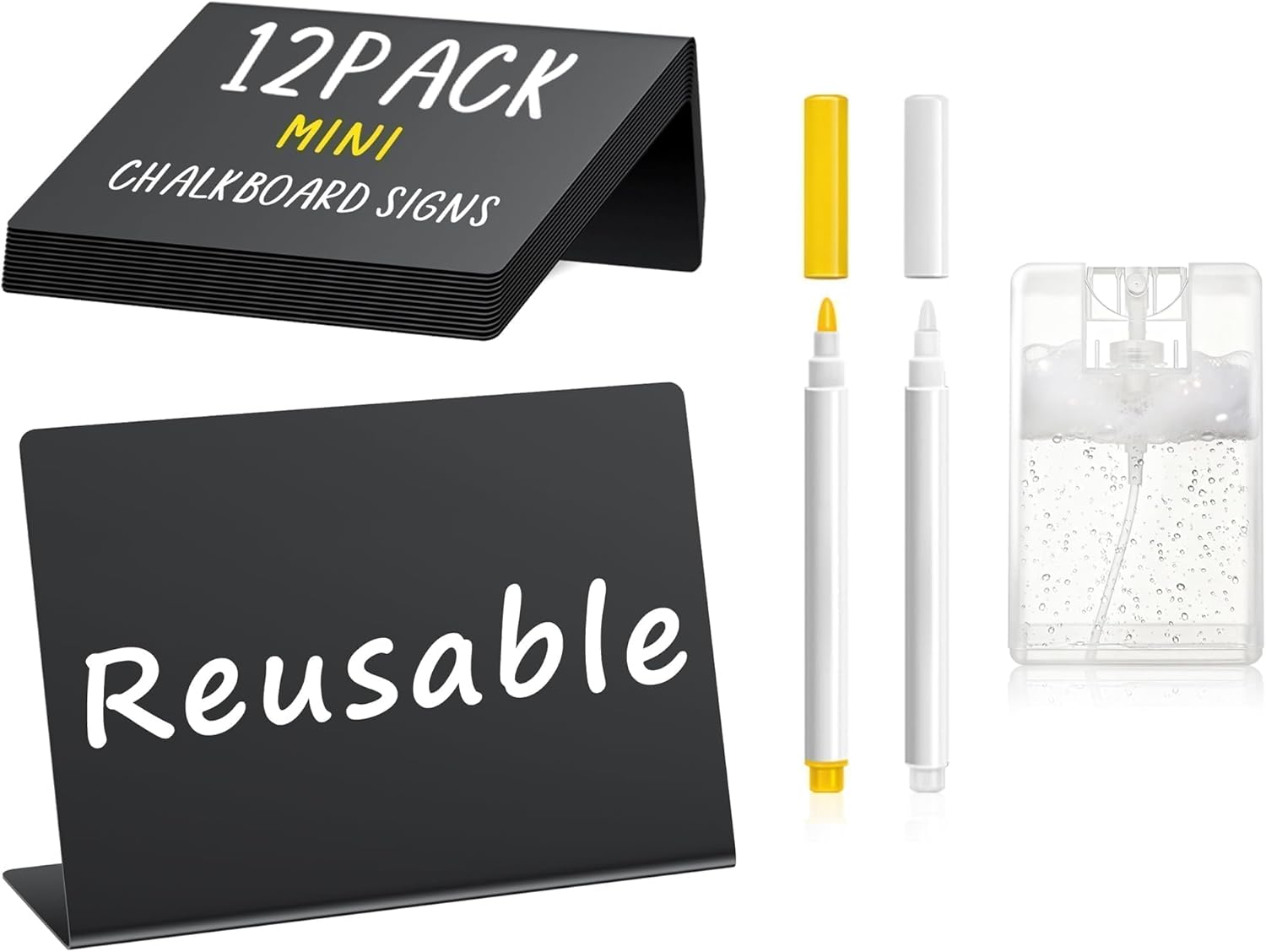
Small Chalkboard Labels
Label the syrups and the mixers. Unlabelled pitchers get ignored.
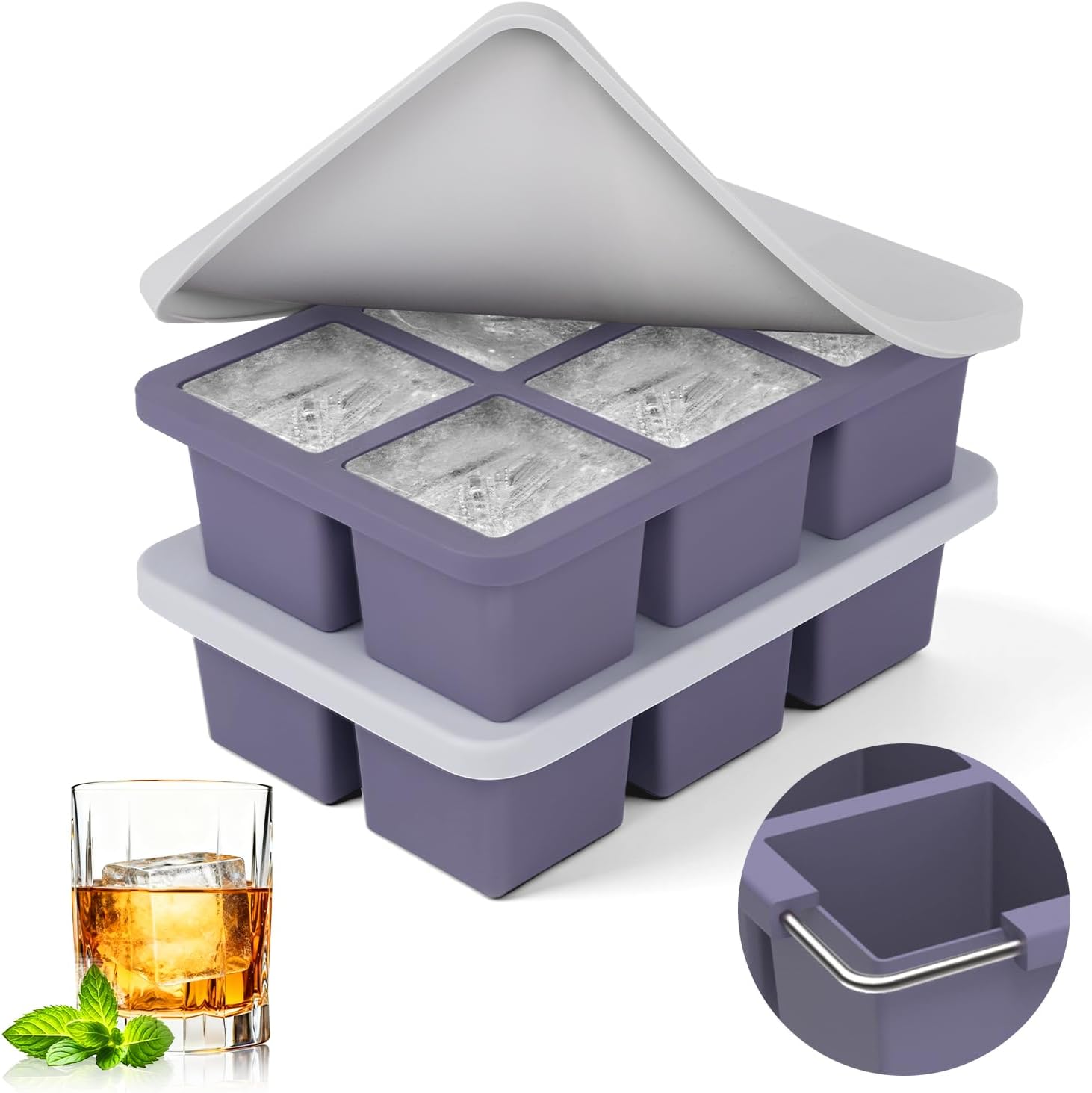
Berry Ice Cube Tray
Cubes with berries or edible flowers frozen inside are the one decorative touch that also does a job.
How to Set Up a Champagne Bar
Step 1: Choose the Spot
Pick a surface away from the kitchen and away from the food. A sideboard, a console table or the end of a counter all work. The point is that guests can reach it without crossing the room you are trying to keep clear.
Step 2: Chill Everything
Sparkling wine wants three to four hours in the refrigerator, or about thirty minutes in a bucket of ice and water. Chill the juices too — a cold mixer into a cold glass keeps the bubbles alive far longer.
Step 3: Prepare the Garnishes
Slice the citrus, rinse the berries, seed the pomegranate and strip the rosemary. This is the part that takes time, and all of it can be done the morning of and kept covered in the refrigerator.
Step 4: Build the Layout
Work left to right in the order a guest would: glasses first, then sparkling wine, then spirits, then juices and syrups, then garnishes at the end. As a result, nobody has to reach back across the table, and the queue keeps moving.

Step 5: Add Height and Labels
Put the bottles on a riser or a cake stand so the bar reads from across the room, and label the syrups. Guests will not ask what is in an unmarked pitcher — they will simply skip it.
Step 6: Set Out a Card
A small card with two or three suggested combinations gives the uncertain guest somewhere to start. In essence, it is the difference between a bar people use and a bar people admire.

Champagne Bar
Ingredients
- 1 bottle champagne and/or prosecco
- 1 bottle gin
- 1 bottle vodka
- 1 bottle St. Germain elderflower liqueur
- 1 bottle juice (orange, pomegranate, and cranberry)
- 1 pack pop rocks candy
- 1 can seltzer
- 1 glass simple syrup (made with honey, ginger, and rosemary)
- garnishes
- fresh herbs (mint and rosemary)
- fresh fruit (pomegranate arils, citrus, and berries)
- raw turbinado sugar
- sorbet
- decorative ice cubes made with juice and herbs
Instructions
- Chill the sparkling wine and juices thoroughly — three to four hours in the refrigerator, or thirty minutes in a bucket of ice and water.
- Slice the citrus, rinse the berries, seed the pomegranate and prepare the herb sprigs. This can be done the morning of and kept covered in the refrigerator.
- Choose a surface away from the kitchen and away from the food, and set out the glassware first.
- Arrange left to right in the order a guest would use them: glasses, sparkling wine, spirits, juices and syrups, then garnishes at the end.
- Set the bottles on a riser or cake stand so the bar reads from across the room, and label the syrups.
- Add a small card with two or three suggested combinations so the uncertain guest has somewhere to start.
- Keep the bottles in ice and refill the garnish bowls through the evening.
Notes
KEEP HOSTING
More to pour from the bar — three cocktails worth shaking up next.

Champagne Brunch Punch
A big-batch punch that keeps the whole table refreshed and happy.
Pour a Glass →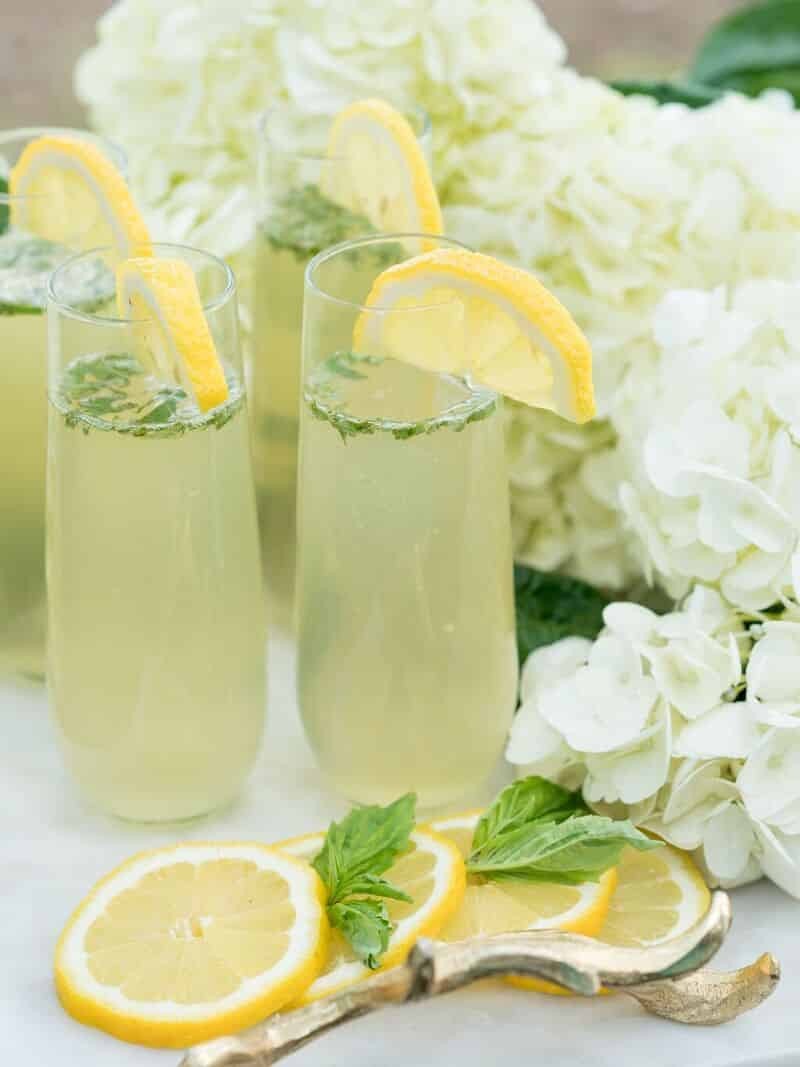
Lemon Basil Champagne Spitzer
Sparkling and celebratory — the easy pour for gatherings.
Pour a Glass →
Delicious Lemonade Prosecco Punch
Bright lemonade meets bubbly Prosecco — a sunny pitcher made for a crowd.
Pour a Glass →Champagne Bar Variations: Combinations to Try
The Classic Mimosa
Orange juice and sparkling wine, one to two. It is on the bar because someone always wants it, and there is no shame in that.
The Poinsettia
Cranberry juice, a splash of orange liqueur and sparkling wine. This is the Christmas glass — the colour alone earns its place on a December table.
The Pomegranate Royale
Pomegranate juice, a spoon of honey syrup and sparkling wine, with arils dropped in. Deep red, faintly sweet, and the best-looking drink on the bar.
The Elderflower Spritz
St-Germain, sparkling wine and a twist of lemon. Floral rather than fruity, and the one guests who say they do not like sweet drinks reliably come back for.
The Rosemary Ginger
Ginger syrup, a rosemary sprig and sparkling wine. Herbal and a little sharp — the grown-up option on a bar that can otherwise skew sweet.
The Sorbet Float
A small scoop of raspberry or lemon sorbet in the bottom of a coupe, topped with sparkling wine. It doubles as dessert and it is the one children remember, minus the wine.

When I Love Serving a Champagne Bar
New Year’s Eve
This is the occasion the champagne bar was made for. Set it out at nine, let it run until midnight, and keep a chilled bottle in reserve for the toast. Given that everyone is drinking sparkling anyway, you may as well let them make it interesting — and it sits beautifully alongside a New Year’s Eve tablescape.
Christmas Eve and Christmas Day
A champagne bar turns a family gathering into an occasion without adding a single dish to the kitchen. Lean festive with pomegranate arils, cranberry juice and rosemary sprigs, and it reads as Christmas without a word. For a nightcap once the table clears, a gingerbread martini finishes the evening.
Bridal and Baby Showers
The format suits a daytime table and a soft palette — peach nectar, elderflower, raspberries, edible flowers. To illustrate, one bar can replace an entire cocktail menu and still feel more generous than either.
Birthdays and Milestones
Anything worth toasting is worth a bar. Add cotton candy or Pop Rocks to the garnish tray and it becomes the thing guests photograph before they drink it.
Brunch
A champagne bar is a mimosa bar with ambition. Keep the orange juice, add three more mixers and a syrup, and the same table serves a far more interesting drink — though a proper holiday mimosa bar has its own rules worth following.
Galentine’s and Girls’ Night
Set it on a low table with a bowl of berries and let it be the evening’s centre. Equally important, nobody has to keep getting up. If the season is wrong for bubbles, a martini board is the same idea in a different glass, and a hot chocolate bar is the version that works for every age in the room.
What to Serve With a Champagne Bar
A Caviar Board
Sparkling wine and caviar is the pairing the whole evening can be built around, and the two sit naturally on the same table. My caviar board is the one I set out beside the bubbles.
Smoked Salmon Crostini
Salt, cream and acid against cold bubbles. These smoked salmon, dill and caviar crostini are the bite I put next to the bar every single time.
A Cheese or Charcuterie Board
A cold board needs no attention and holds for hours, which is exactly what you want beside a bar guests are serving themselves from.
Fig and Brie Bites
Warm, sweet and small enough to eat standing with a glass in the other hand — mini fig and brie bites disappear faster than anything else I make.
Something Fried and Hot
One hot bite cuts through an evening of sparkling wine better than anything else on the table. Given that everything else here is cold, it is worth the oven.
A Dessert Board
Set it out at eleven. Sparkling wine goes with sugar far better than most people expect, and it keeps the party at the table past midnight.

Champagne Bar Make-Ahead Tips
Chill Everything Ahead
Chill the bottles in the refrigerator for at least three hours before guests arrive, or plunge them into an ice bath for about 20 minutes.
Prep the Garnishes
Wash and slice the fruit and herbs up to a day ahead and store them in airtight containers lined with a damp paper towel.
Fill the Carafes
Pour the juices and purées into carafes the morning of the party and keep them in the refrigerator until serving.
Save the Bubbles
Seal any opened bottle with a champagne stopper and refrigerate it. It keeps its sparkle for a day or two.
Champagne Bar FAQs
How much champagne do I need per person?
One bottle pours four glasses, so plan one bottle for every four guests having a single glass. For a two-hour party where people have two, that is one bottle for every two guests; for a full evening at three glasses each, closer to three bottles for every four. Whatever you land on, buy one more than the maths says.
What kind of champagne is best for a champagne bar?
Brut is the safest choice — it is dry enough that juice and syrup do not tip the glass into sweetness, which extra dry will. Buy one Brut Champagne and one Prosecco so guests have a drier and a softer option. This is also the one place a mid-priced bottle is genuinely fine: almost every glass is being mixed with something.
Can I set up a champagne bar the day before?
The hardware, yes. Set out the glasses, bowls, risers and labels the night before and it takes ten minutes off the day itself. Slice citrus and seed pomegranate the morning of, covered in the refrigerator. The one thing that cannot wait is the chilling — bottles want three to four hours in the fridge, or thirty minutes in ice and water.
How do I keep the champagne cold all night?
Use ice and water rather than ice alone; water surrounds the whole bottle and chills it far faster than cubes with air between them. Keep only the bottle in use on the bar and the rest in a standing bucket or the refrigerator, and top up the ice once around the middle of the evening.
What is the difference between a champagne bar and a mimosa bar?
A mimosa bar is juices and sparkling wine, and it belongs at brunch. A champagne bar adds spirits, syrups and a proper garnish spread, so the same bottles produce six or seven different drinks instead of one. If brunch is what you are hosting, my holiday mimosa recipes are the simpler build.
Do I need special glasses for a champagne bar?
No. Coupes are the easiest to garnish and the best to photograph, and flutes hold their bubbles longest, but a wine glass works perfectly well and shows off the colour of a pomegranate pour. Set out more glasses than guests either way — people put one down and lose it. Equally important, keep something non-sparkling on hand too — my watermelon basil spritzer and a big-batch brunch punch both stretch a bar further than you would think.
Final Thoughts
A champagne bar is the most generous thing you can put on a table for the least amount of work. It costs an afternoon of slicing citrus and twenty minutes of arranging, and in return it runs your entire party without you. To illustrate, I will set a creamy spinach dip at one end and easy crab toast at the other, and the evening takes care of itself.
Hosting has never been about doing more here. It is about setting something up early enough that you get to enjoy your own evening. In the final analysis, that is the whole argument for letting your guests pour their own drinks — and it is the thread running through everything in my How to Host library.
Build it before you get dressed, keep one good bottle back for midnight, and spend the night in the room instead of behind the counter. What are you putting on yours this year? Tell me in the comments — I read every one. What’s more, when the night needs a sweet finish, an epic mini cheesecake board is what I put out last.

Erica A. Thomas
Founder of Eating With Erica
SAVE NOW, MAKE LATER!
Pin this champagne bar to your entertaining board so it is ready before New Year’s Eve.

Yezzzzzzz this is sooo perfect!